
Culture
Coffee and Puerto Rico: A History Written in the Mountains
A responsible introduction to the relationship between agriculture, economics, migration and coffee identity.
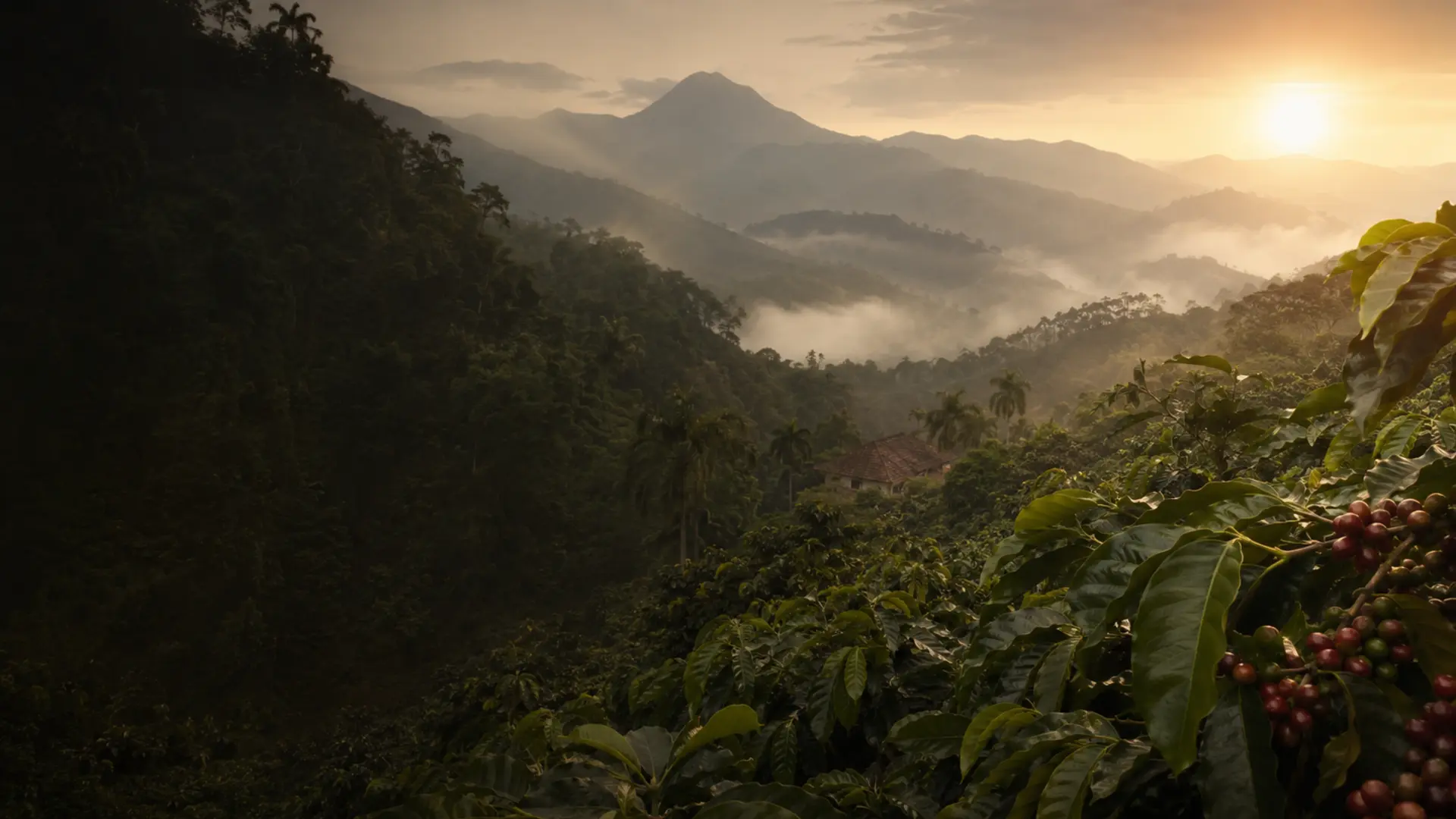
Discussing Puerto Rican coffee requires looking beyond a date of introduction or a list of brands. Cultivation became part of an economic and social system that transformed mountain regions, connected towns with outside markets and left a visible mark on roads, architecture and family memory.
The mountains as productive territory
Puerto Rico’s interior offered elevations, temperatures and rainfall favorable to coffee. Yet harvests never depend on climate alone. They require labor, land access, credit, roads, processing, drying, transportation and buyers. Coffee history is therefore also a history of infrastructure and power.
Periods of expansion brought wealth to some participants and demanding work to many families. Hurricanes, changing markets, industrialization and migration repeatedly reshaped production. Today’s sector is not a frozen tradition but an industry that continues adapting.
From agricultural product to cultural symbol
The everyday cup became an expression of belonging. Coffee appears in conversation, breakfast, family visits and small businesses. That cultural dimension can coexist with serious questions about origin. A brand associated with Puerto Rico does not always use only island-grown beans, and an informed buyer learns to distinguish commercial identity from agricultural provenance.
Travel with curiosity
Visiting a coffee town reveals how productive landscapes relate to contemporary life. Not every historical building still operates as a farm, and not every farm is open to the public. The best visits combine respect for private property, advance reservations and willingness to hear complex versions of history.
Continue with the Coffee Trail or use the interactive map to understand where this geography is concentrated.