
BARISTA EDUCATION
How to Choose the Right Coffee Beans
Origin, variety, growing conditions, processing, roasting and brewing all contribute to flavor; no single label explains the entire cup. Includes a repeatable practice routine, troubleshooting and ways to apply the lesson to Puerto Rican coffee.
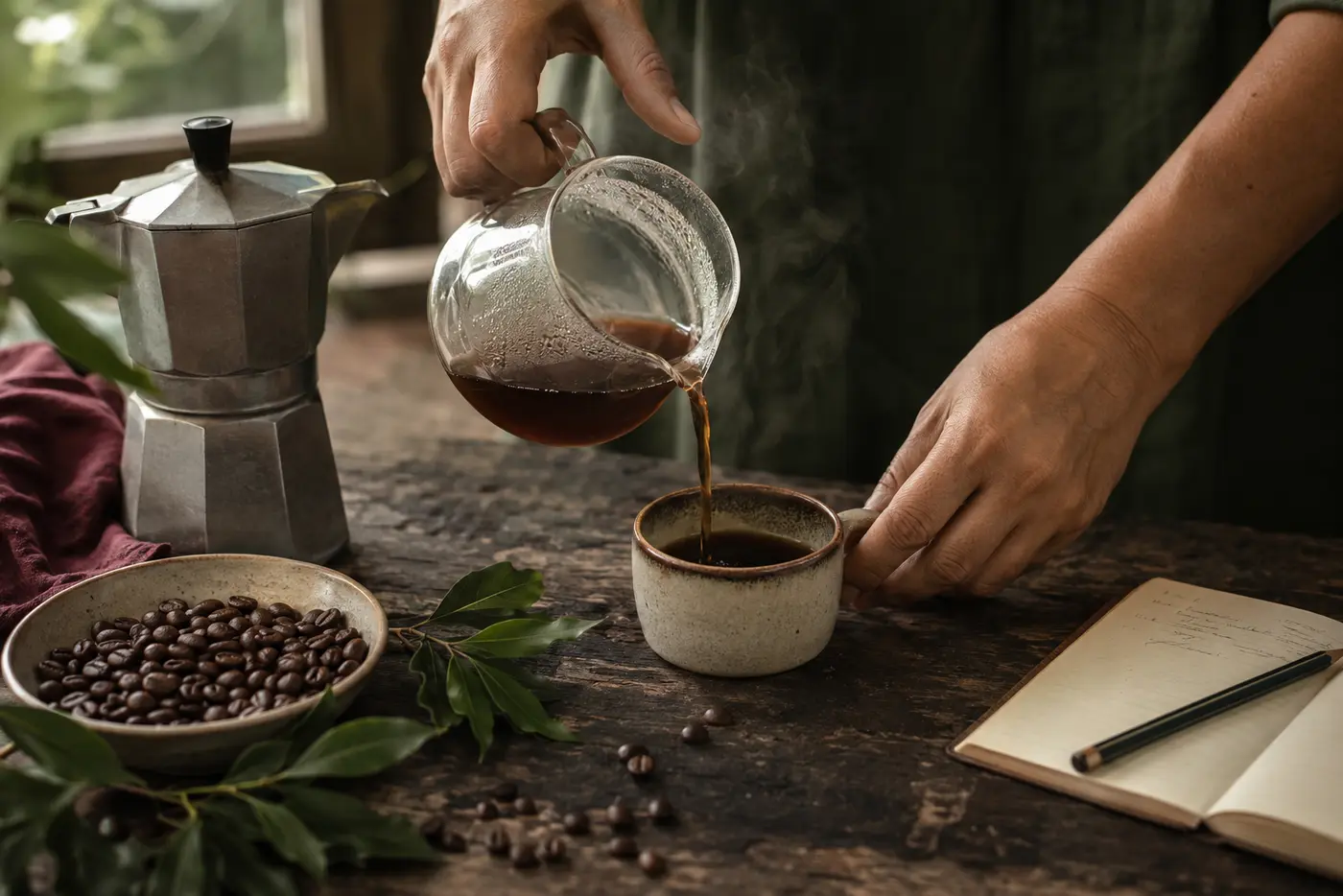
How to Choose the Right Coffee Beans becomes useful when it leads to a repeatable decision at the bar or in your kitchen. This rebuilt guide removes the earlier generic claims and focuses on observation, measurement and practical adjustments.
The short answer
Origin, variety, growing conditions, processing, roasting and brewing all contribute to flavor; no single label explains the entire cup.
What matters most
Read the bag as a set of clues: producer or region, variety, process, roast date and intended method. Compare coffees with the same brew recipe before changing technique.
Coffee advice is easiest to test when dose, beverage weight, water, temperature, grind and contact time are written down. You do not need laboratory equipment, but you do need a stable starting point. Without one, a better cup may be accidental and a worse cup becomes difficult to diagnose.
A repeatable practice routine
- Choose one repeatable recipe or baseline before testing.
- Measure the variables that affect the result.
- Change one variable at a time and taste after each change.
- Record the setting and result that worked.
Taste two coffees side by side at equal strength. Write sensory differences first, then review label details and consider which production or roasting choices may help explain them.
Common mistakes
Treating altitude, species or roast color as a quality score oversimplifies coffee. Marketing names may also describe style without proving geographic origin.
Another common mistake is copying a number without checking context. A ratio that works for one grinder, roast, water supply or brewer may need a small adjustment elsewhere. Use professional recommendations as a starting point, then let taste and repeatable measurements guide the final setting.
How to evaluate the result
Taste the coffee at more than one temperature. Note sweetness, acidity, bitterness, body and finish in plain language. “Dry at the end” or “sweet when cooler” is more actionable than forcing an exotic tasting note. If two cups are being compared, keep every variable except the one under study the same.
Clean equipment is part of the recipe. Old oils, milk residue and mineral buildup can imitate extraction problems. Before changing coffee or buying equipment, confirm that the brewer, grinder and serving vessel are clean and functioning normally.
Tools worth using
A small digital scale and a timer create more improvement than a drawer full of accessories because they expose what actually changed. A notebook or phone note is equally valuable. Record coffee dose, water or beverage yield, grind reference, total time and one sentence about taste. For espresso, include the basket and machine setting; for filter coffee, include the brewer and pouring pattern.
Use temperature instruments when they answer a real question, but do not confuse measurement with quality. A precise number cannot compensate for stale coffee, dirty equipment or uneven technique. The best tool is the one that helps you repeat a good result and diagnose a poor one without adding unnecessary steps.
When to change the recipe
Change grind first when flow or contact time is clearly outside the useful range. Change ratio when the cup has the right flavor balance but feels too strong or weak. Change temperature when roast level or persistent bitterness suggests it. Change the coffee itself only after the current coffee has been tested with a reasonable recipe.
Stop adjusting when the cup is enjoyable and repeatable. The purpose of barista technique is not to produce a perfect number; it is to understand the relationship between actions and flavor well enough to serve coffee confidently.
Use the lesson with Puerto Rican coffee
Apply this skill to one coffee at a time and retain the bag information. Record the producer or roaster, roast date, process when available, brew method and your final recipe. That creates a useful personal reference and gives origin details more meaning than treating “Puerto Rican coffee” as a single flavor.
Put the lesson into practice
Use the Coffee Passport as a tasting notebook, then explore the map for a shop, roaster or farm where you can compare your observations.