
COFFEE RECIPE
Pumpkin Spice Latte
A practical Pumpkin Spice Latte recipe with measured ingredients, clear steps, barista adjustments and ideas for brewing it with Puerto Rican coffee.
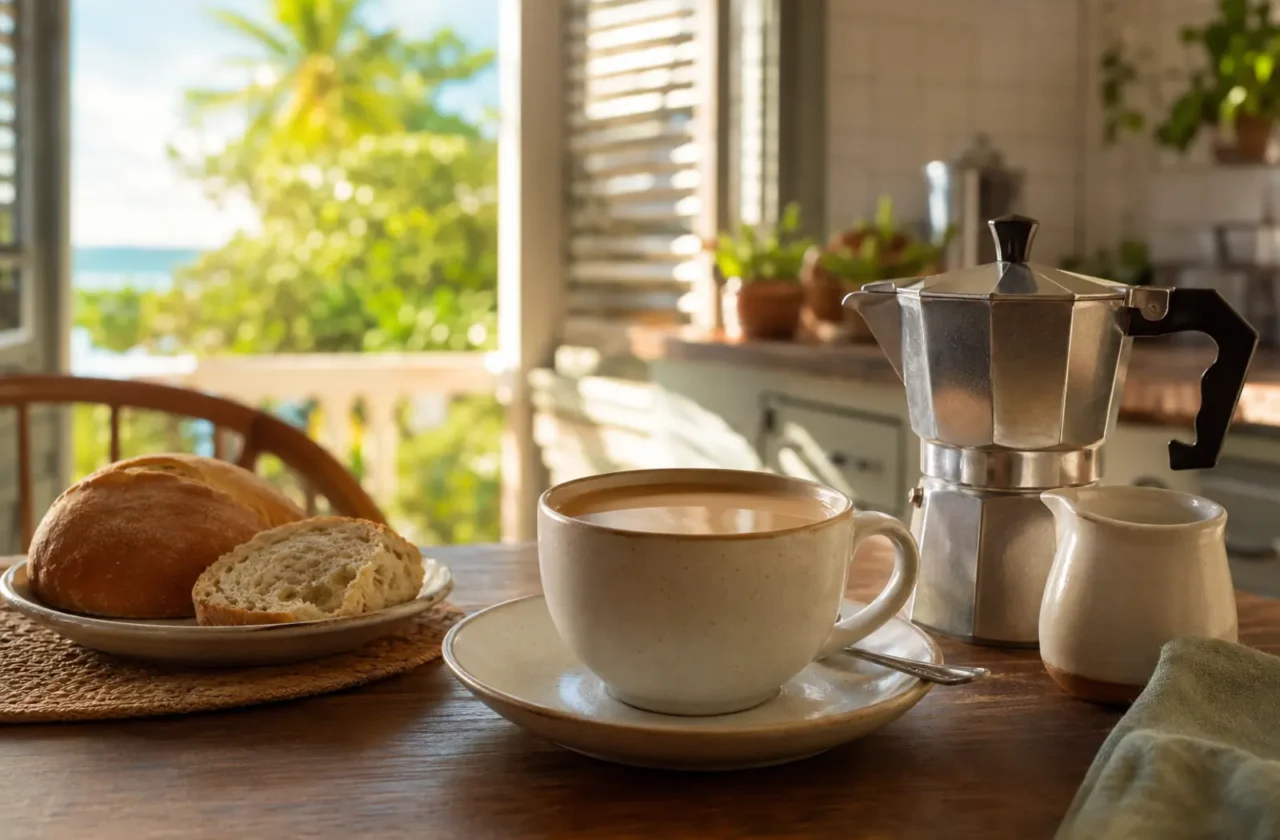
Pumpkin Spice Latte works best when the coffee remains recognizable and every added flavor has a clear job. This rebuilt recipe replaces the old one-size-fits-all directions with a repeatable starting point, useful measurements and adjustments you can make with Puerto Rican coffee or another freshly roasted coffee you enjoy.
Recipe at a glance
Style: Espresso and milk drink
Yield: 1 serving
Best starting point: 1 double espresso to 120–180 g milk
Ingredients
- 1 double espresso, about 36 g
- 120–180 g milk or unsweetened plant milk
- 15 g pumpkin-spice syrup
How to make Pumpkin Spice Latte
- Pull a balanced double espresso into a warmed cup.
- Steam or heat the milk until sweet and silky without boiling it.
- Add any measured flavoring, combine with the espresso and taste before adding more sweetness.
Why this method works
A measured espresso-to-milk ratio keeps the drink balanced. Moderate milk temperature preserves sweetness and makes texture easier to control.
Measure the coffee and water at least once before improvising. A scale makes the result easier to repeat, while tasting after the drink cools slightly reveals whether bitterness came from extraction or simply from serving it too hot. If the cup feels thin, change the coffee-to-water ratio before adding more syrup or milk. If it tastes harsh, grind a little coarser, shorten contact time or lower the brewing temperature.
Barista adjustments
For a stronger cup, reduce milk rather than overextracting the espresso. Plant milks behave differently by brand, so aerate gently and stop heating when the texture turns glossy.
Use fresh coffee, clean equipment and water that tastes good on its own. Those details matter more than decorative toppings. When using Puerto Rican coffee, begin with the roaster’s recommended method and record the roast date, dose, grind and final result. That small tasting record makes it possible to compare coffees fairly instead of changing every variable at once.
Equipment and substitutions
You do not need a commercial bar to make this drink. A kitchen scale, timer, grinder and the brewer named in the method are enough. If an espresso machine is unavailable, a moka pot can provide a concentrated base, although the pressure, texture and yield will differ from espresso. Keep that distinction in mind when comparing your result with a café version.
Substitutions should preserve the structure of the recipe. When replacing dairy milk, choose an unsweetened product designed to foam and keep the same measured amount for the first test. When changing a syrup, spice or sweetener, begin with half the listed quantity. Sweetness is easy to add but impossible to remove after the drink is assembled.
Troubleshooting the cup
A watery drink usually needs a stronger coffee base or less dilution, not a longer and harsher extraction. A dull drink may come from old coffee, stale grinder residue or water with an interfering taste. If dairy or plant milk separates, reduce heat and combine it with the coffee gradually. If spices collect at the bottom, dissolve or bloom them in a small amount of warm liquid first.
Serve the recipe as soon as its temperature and texture are right. Cold drinks should begin with coffee strong enough to tolerate melting ice. Hot milk drinks should be pleasant to sip rather than scalding. For recipes containing egg or alcohol, use pasteurized ingredients where specified, maintain safe food handling and serve alcohol only to adults.
Serve it Puerto Rico style
This is an adaptable home recipe, not a claim that every drink originated in Puerto Rico. The local connection comes from the coffee you choose and the way the drink fits your table. Try it with pan de Mallorca, a simple breakfast or a small dessert, and keep sweetness restrained enough to notice the coffee underneath.
Turn the recipe into a coffee trail
Save your ratio and tasting notes in the digital Coffee Passport, then compare the result with cups from Puerto Rico’s coffee shops and farms.